
Home / Areas / Largo
Largo Realtor & Real Estate Guidance
Buying or selling in Largo? Vincenzo Longo helps local homeowners and buyers understand pricing, neighborhoods, competition, and next steps.
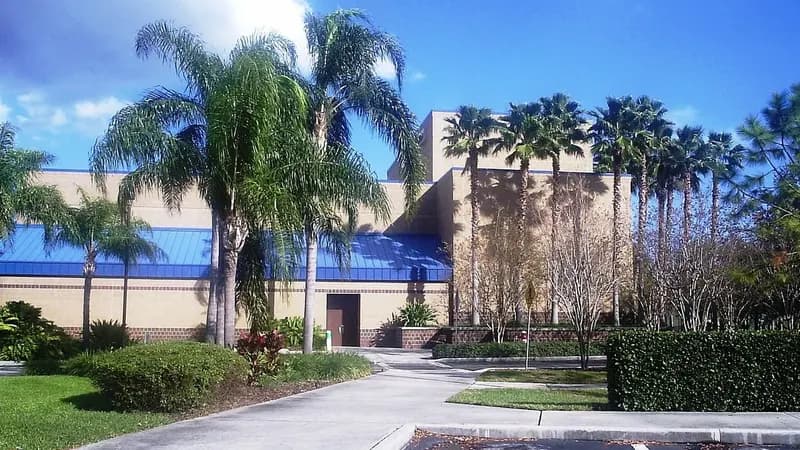
Largo is centrally located in Pinellas County, offering diverse housing options, convenient access to both Gulf beaches and Tampa, and a range of price points that attract first-time buyers, families, and investors alike.
Local Market Insight
Vincenzo lives and works in this market. His guidance is based on real local activity, comparable sales, active competition, property condition, and buyer demand — not a one-size-fits-all automated estimate.
What Buyers Like About Largo
- Central Pinellas location with easy access to beaches and Tampa
- Diverse housing stock at various price points
- Largo Central Park and recreation facilities
- Affordable entry points for first-time buyers
- Established neighborhoods with larger lots
- Convenient shopping, dining, and services
What Sellers Should Know in Largo
- Largo's diverse market means pricing strategy varies significantly by neighborhood
- Condition and updates are important in older Largo homes
- The central location is a strong selling point for commuters and beach-goers
- Vincenzo helps sellers understand their specific sub-market within Largo
Common Home Styles in Largo
Largo features a wide range of housing including mid-century ranch homes, concrete block construction from the 1960s–1980s, newer townhome communities, condominiums, and some custom-built properties.
Living in Largo
Largo residents enjoy Largo Central Park, the Pinellas Trail, proximity to Indian Rocks Beach and Clearwater Beach, and abundant shopping and dining options.
Largo Real Estate FAQ
Nearby Areas
Largo Home Value
Find out what your Largo home is worth.
Search Largo Homes
Search Homes →Buying or Selling in Largo?
Get local guidance based on the property, neighborhood, current competition, and your goals.
Verify property-specific facts
Official local sources for due diligence
Neighborhood guidance is useful, but property records, flood mapping, permits and other official facts should be checked for the exact address. These first-party sources are a practical starting point.